ABOUT
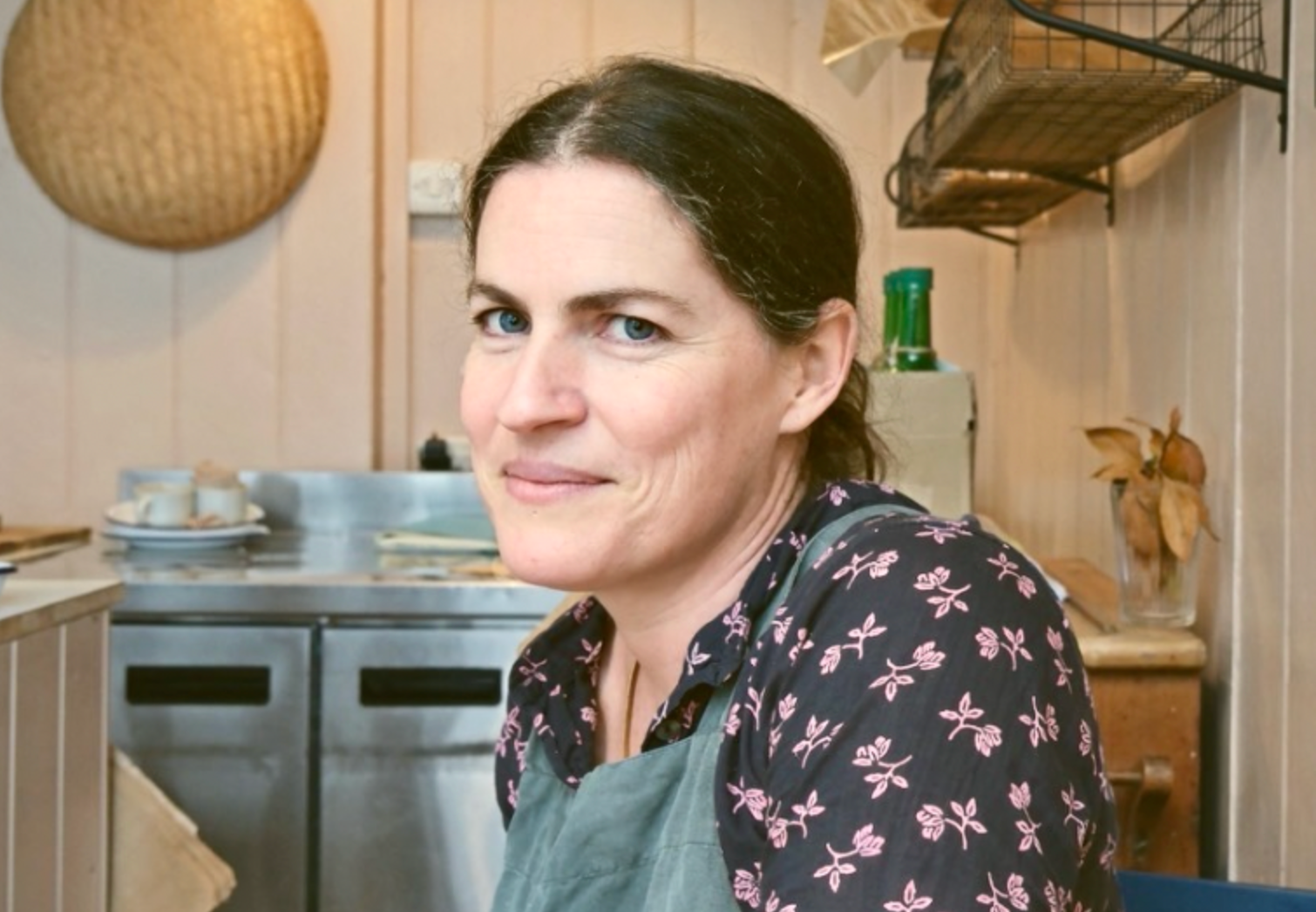
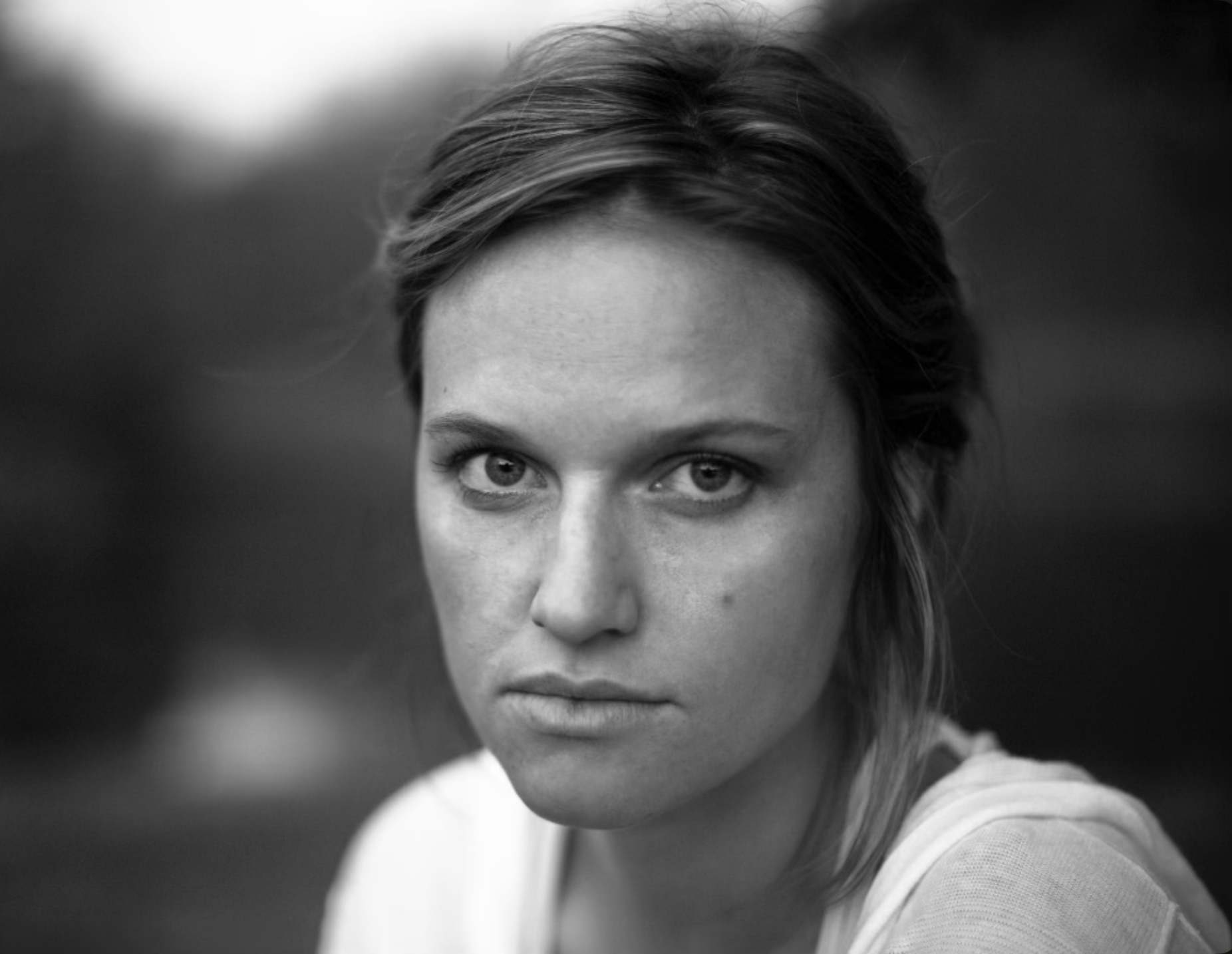
We (Julie & Julia) met in the neighborhood when we were eight. We spent our days riding bikes around Santa Monica, climbing trees, eating avocados, and making up dances.
Our paths eventually diverged across continents and careers. Julie became an investigative journalist chronicling the rise of extremism in the United States. Julia became a sustainable food advocate and award-winning baker. Even as our lives unfolded in different cities, and sometimes on different continents, we kept returning to the same questions: how to build community, how to cultivate resilience, and what it really takes to make a good life close to home.
The seeds of Hubstead were planted over a long weekend at a family cabin in the Catskills, where we found ourselves commiserating over how much effort it takes to find good food. Even for the well-resourced, it often means multiple trips, limited choice, and too much friction. At the same time, many local farmers, bakers, makers, and craftspeople struggle to earn a reliable living despite growing demand for what they produce.
We began looking at decentralized market systems in Europe and Scandinavia, where communities gather at local hubs to exchange food and goods produced nearby. The more we studied them, the more obvious the gap became. We don't need more enthusiasm for buying directly from farmers and producers. We need infrastructure that makes local trade work better for everyone.
These days, we spend less time climbing trees and more time thinking about food systems, local economies, community resilience and regenerative agriculture, but it’s still about the neighborhood. Hubstead is the infrastructure we need—one that makes it easier to support ethical local producers, strengthen community ties, and buy more goods closer to home.
Welcome to Hubstead.